Facilities
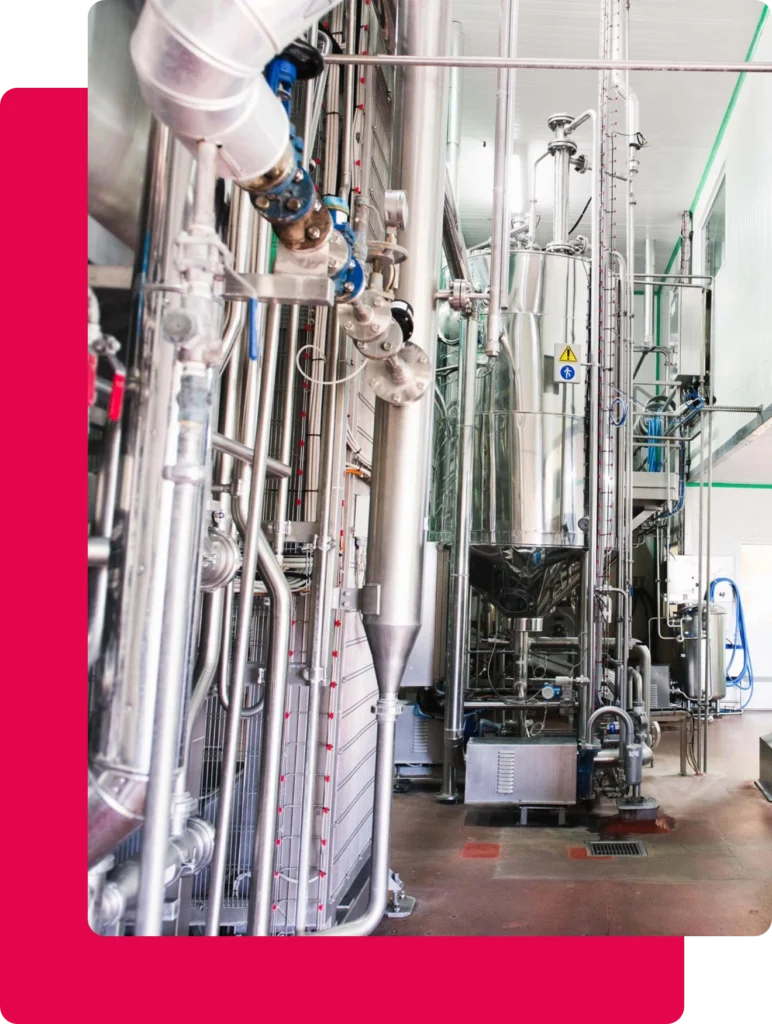
State-of-the-art
A unique manufacturing process
which guarantees the preservation of colours and flavours. This step involves removing the air bubbles that naturally form when crushing the fruit.
Innovative facilities
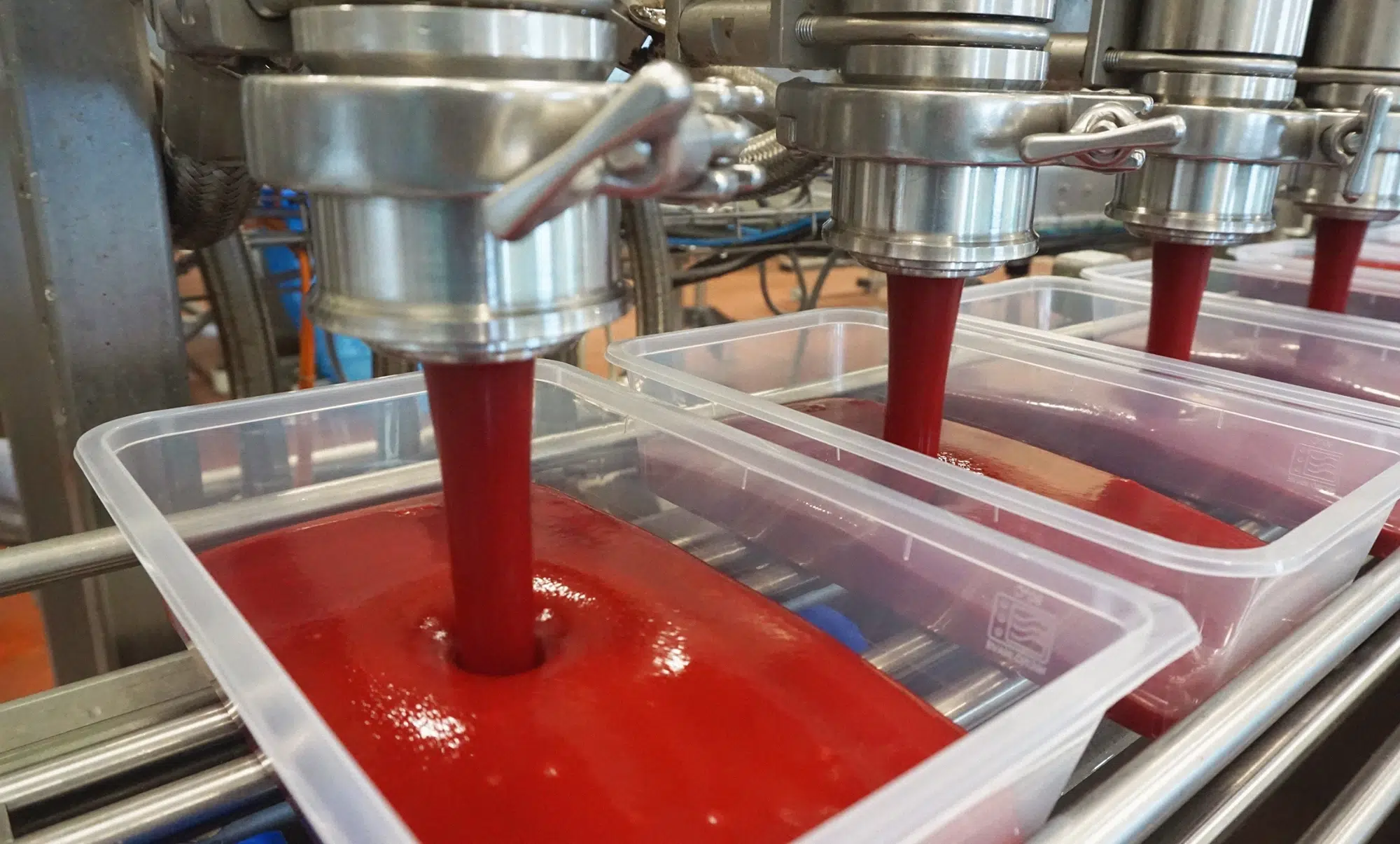
The ohmic heating treatment is an innovative ultra-fast heating technology (between 7 and 20s) that is fundamental to preserve all the organoleptic qualities of the fruit (e.g. eliminating the cooking effect) while guaranteeing the microbiological safety of the product.
A modern tool, respectful of the fruit
of the entire production chain – with the storage of the recipes adapted to each fruit and live monitoring of the production.
A DEDICATED TEAM
To the development of quality
The R&D team is at the heart of innovation and meets all development needs in the strictest confidentiality. Its missions consist of:
- Developing new concepts
- Validate new raw materials and origins.
- Work on the continuous improvement of the quality of existing products.
- Stay on the lookout to understand the market and adapt the product offer.
Sicodis Industry
By the numbers
+8000
Manufacturing per year
+270
References
+33000
m3 of negative cold
Focus on
Negative cold
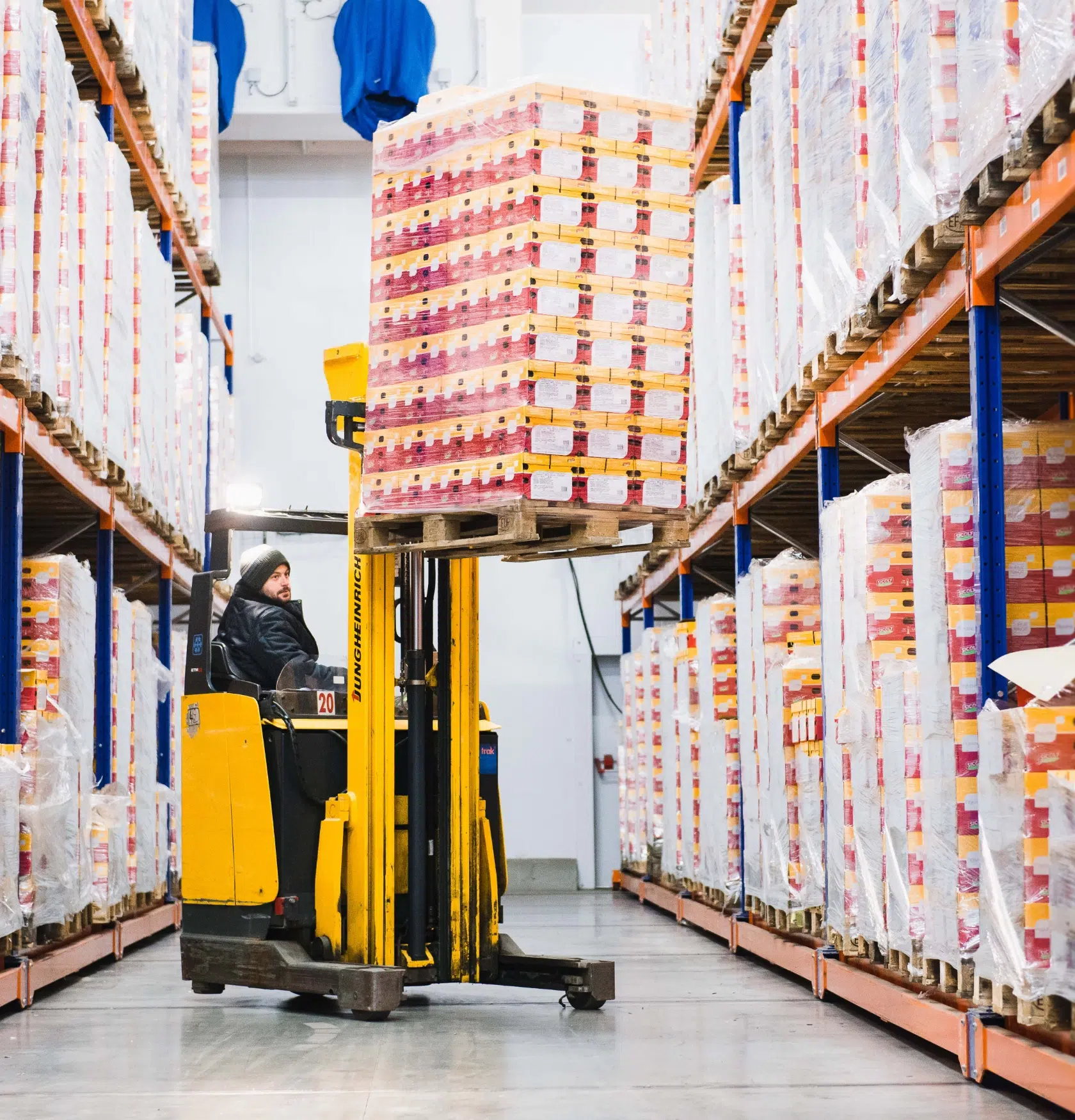
The SICOLY-SICODIS group has innovative refrigeration systems that allow the maintenance of 4 frozen fruit and fruit puree storage rooms in negative temperatures using the minimum amount of energy.
This project has in particular the integration of a new generation of refrigeration units running on transcritical CO2. This technology, in addition to using natural gas with a near-zero greenhouse effect, benefits from a higher energy efficiency than most existing technologies.
In this way, the cooperative group is maintaining its autonomy in terms of storage and order preparation. This innovation allows the SICOLY-SICODIS group to better control the ecological impact of its activity and reinforces its environmental approach.
Quality controls
For an authentic taste
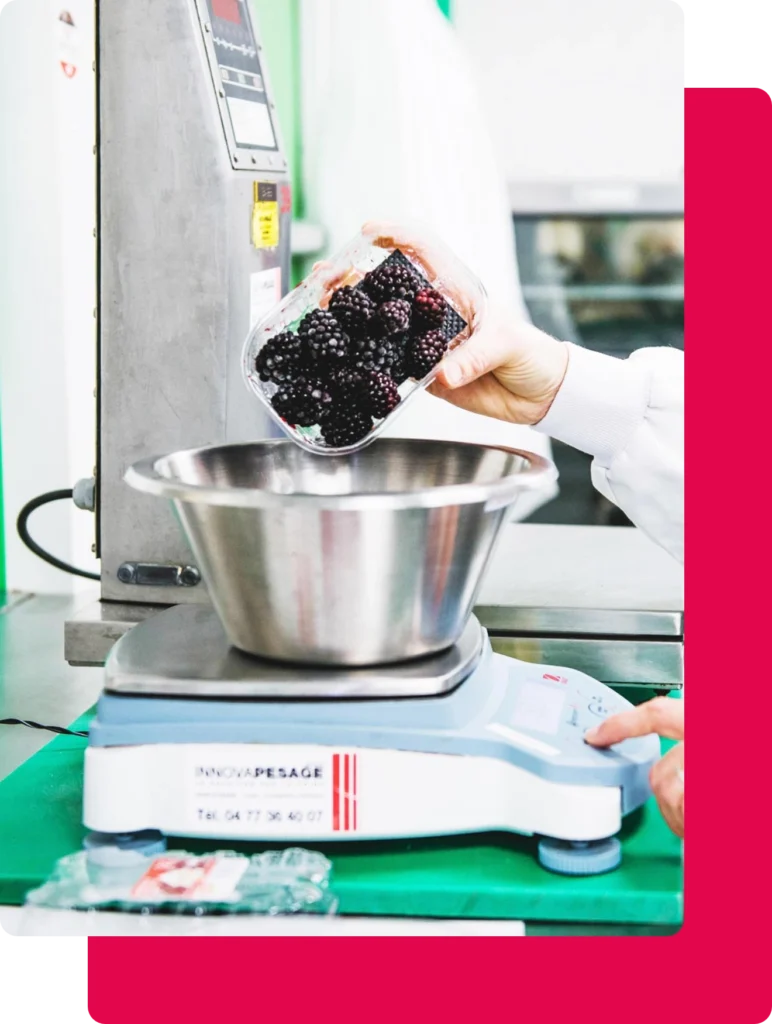
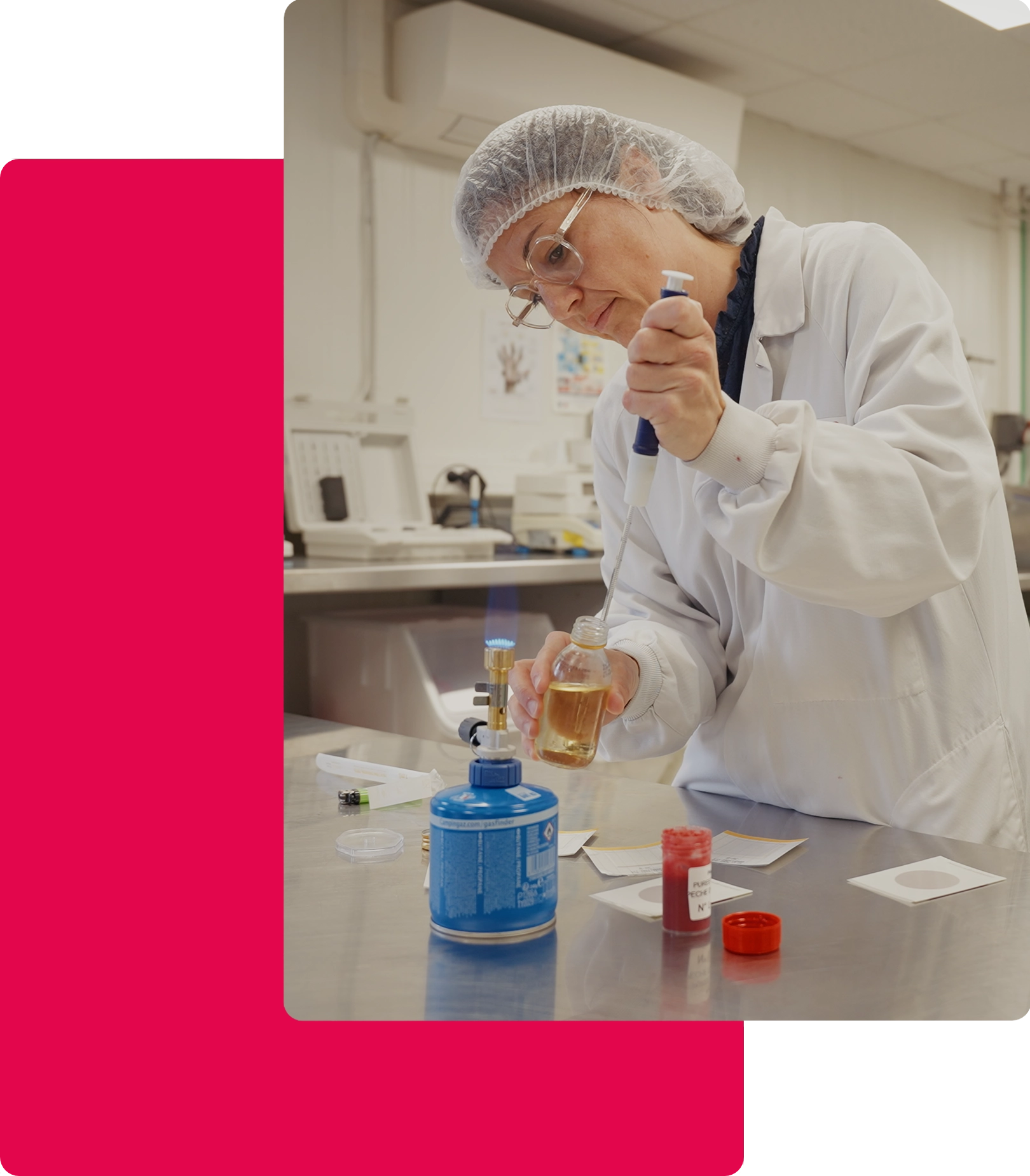
The quality department works with production operators on a daily basis to guarantee the food safety of the products manufactured and to meet market requirements.
The quality team constantly updates control plans, trains production operators in best practices, responds to various customer requests (specifications, specifications, etc.) and evaluates suppliers and their products (audits, specifications, etc.).
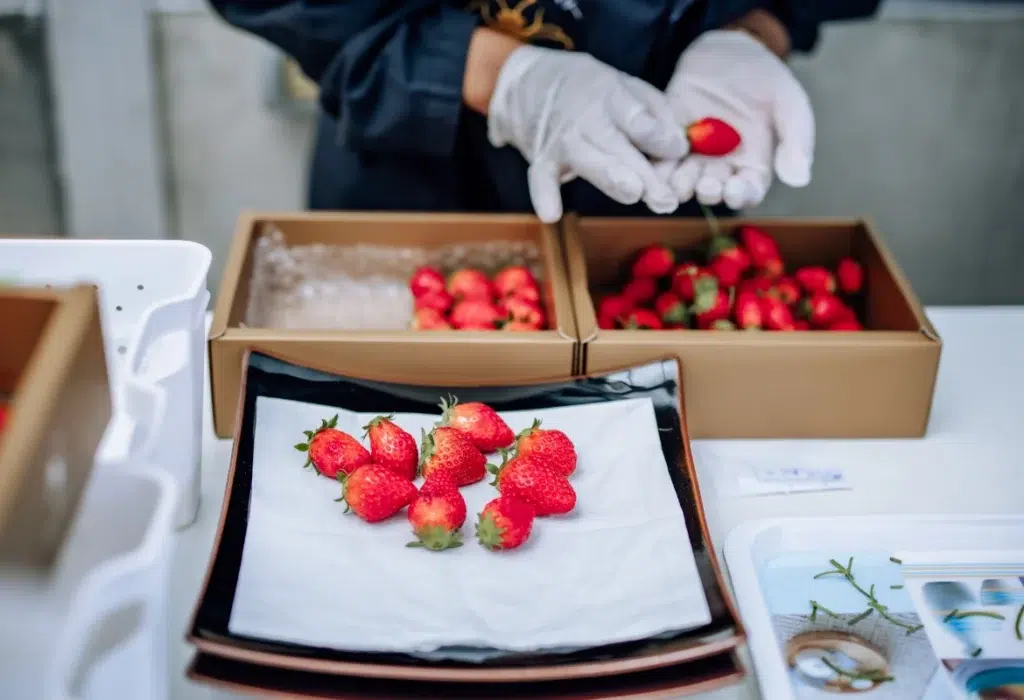
Quality is thus integrated into the entire supply chain from the supply of fruit, raw materials and packaging through all stages of production and up to the delivery of the finished products. The presence on the ground with the teams is, in this respect, essential.